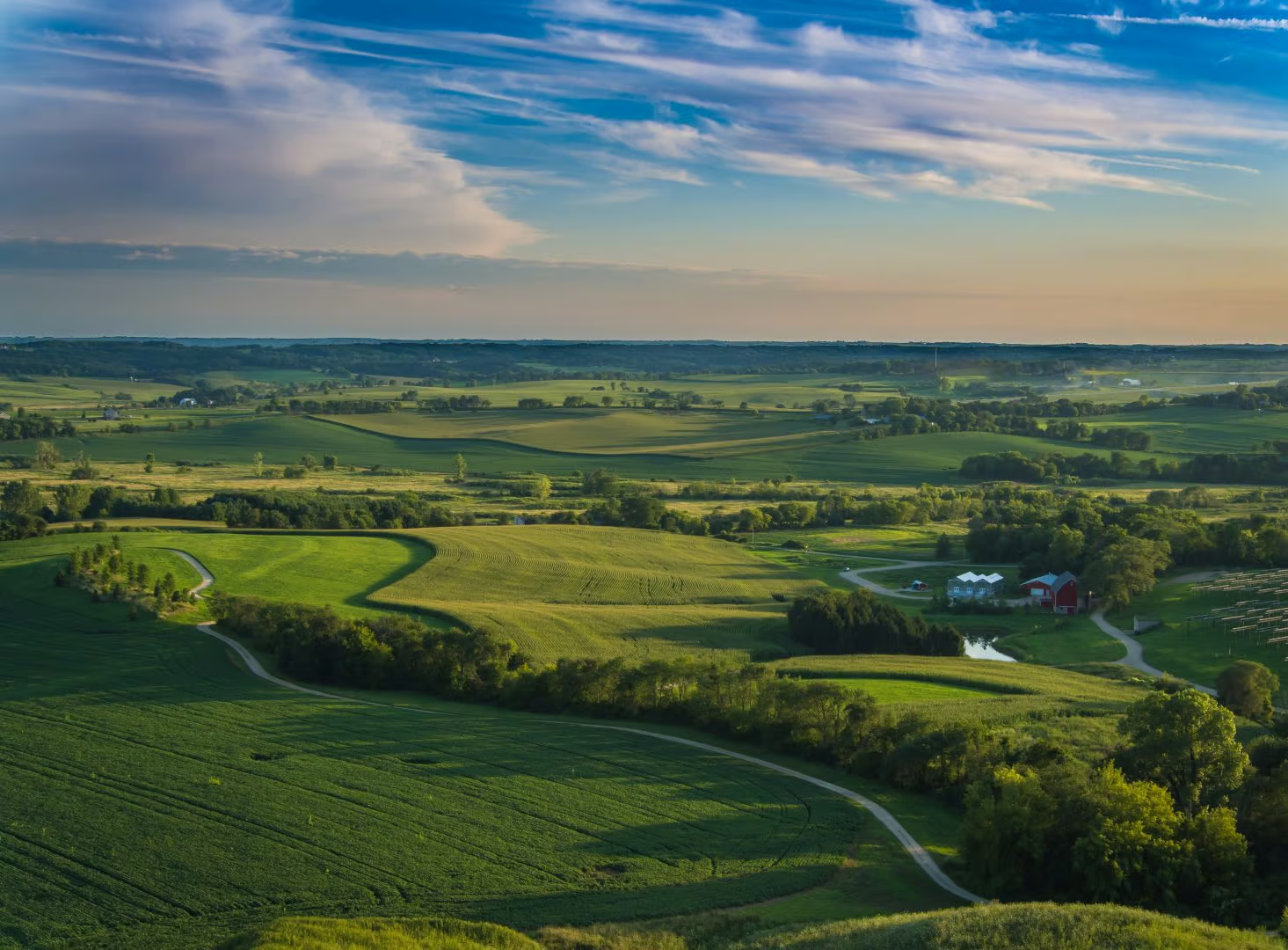
The U.S. wastes 92 billion pounds of food while 34 million people, including 9 million children, face hunger. The challenge is not supply—it’s distribution.
As part of the Feeding America network, Second Harvest Foodbank of Southern Wisconsin works to bridge that gap. Wisconsin Food Rescue is an initiative to recover fresh, safe food from local businesses and deliver it quickly to neighbors who need it.
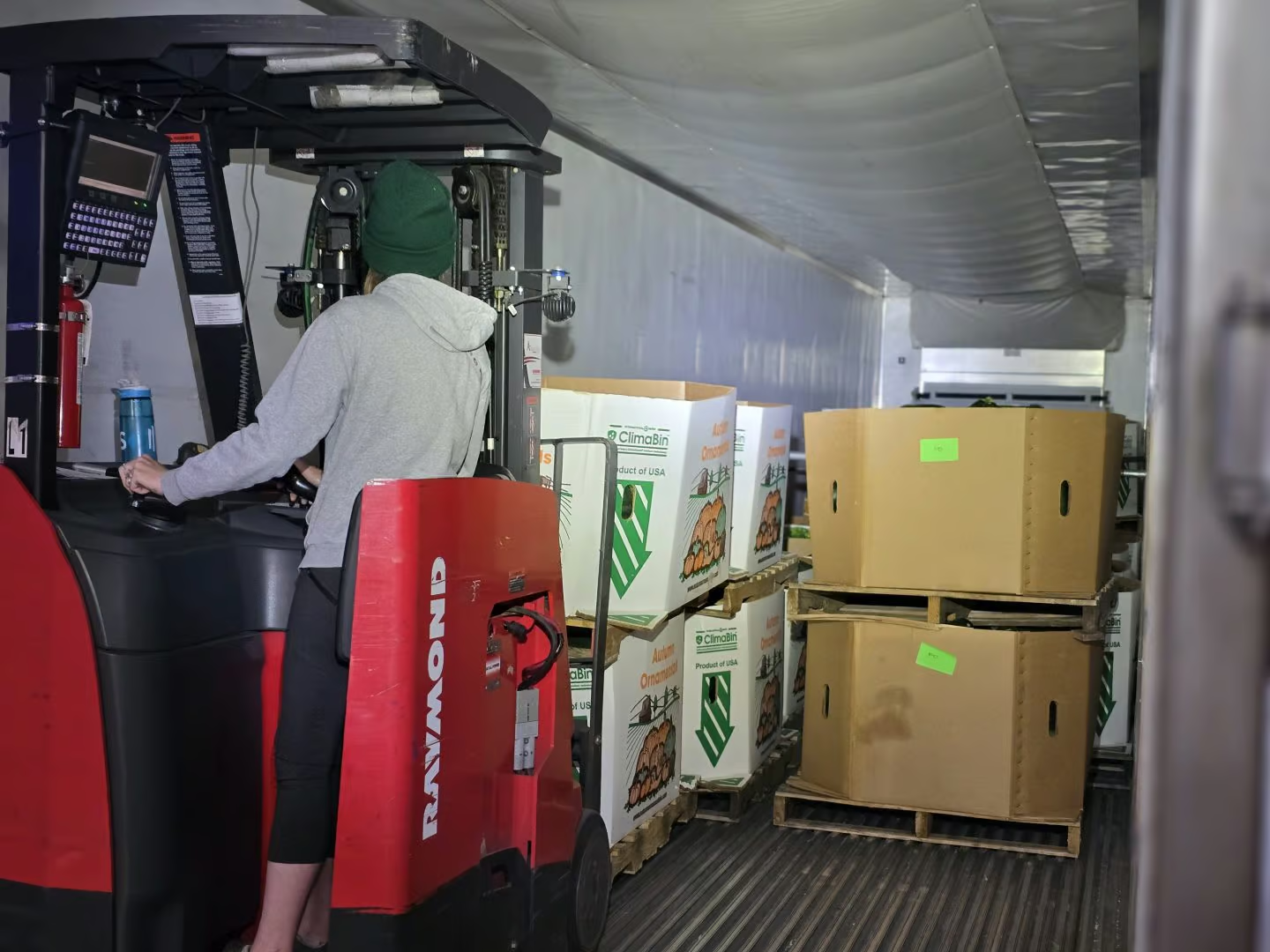
Second Harvest Foodbank partners with more than 300 food manufacturers, grocers, and convenience stores across the region. Using coordinated pickup routes, staff and volunteers collect surplus food—often near its sell-by date—and redistribute it to food pantries, school markets, and meal programs, often within hours.
This system is both efficient and scalable. About 60% of the food Second Harvest distributes—nearly 15 million pounds each year—come from Wisconsin Food Rescue and donor partnerships.
Community Resilience
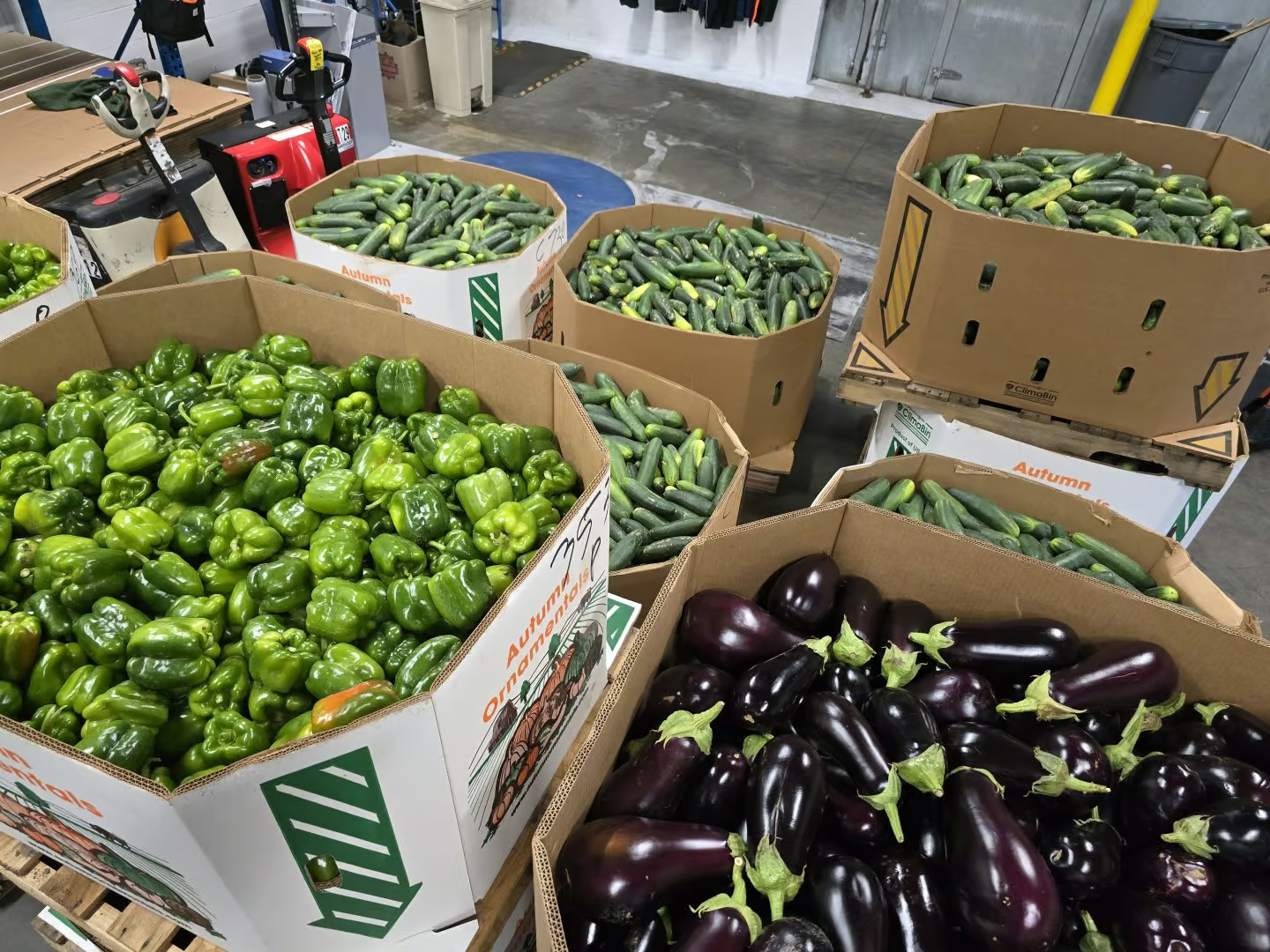
Second Harvest Foodbank connects businesses with local food pantries to move food quickly from shelves to tables. These relationships expand access to fresh, nutrient-dense food and reduce costs for community organizations. Learn more about how food rescue helps organizations like WayForward Resources, a Second Harvest pantry partner supporting Dane County residents.
“Last fiscal year, food rescue partnerships brought in more than 740,000 pounds of food—supplying about 37% of the food in our pantry. Having access to nutritious food that includes fresh produce, meat, dairy products, and more, makes a real difference, and the variety it offers is one of the things our guests often tell us they truly appreciate.”
— Maggie Milcarek, WayForward Resources Food and Resource Access Director
Environmental Impact
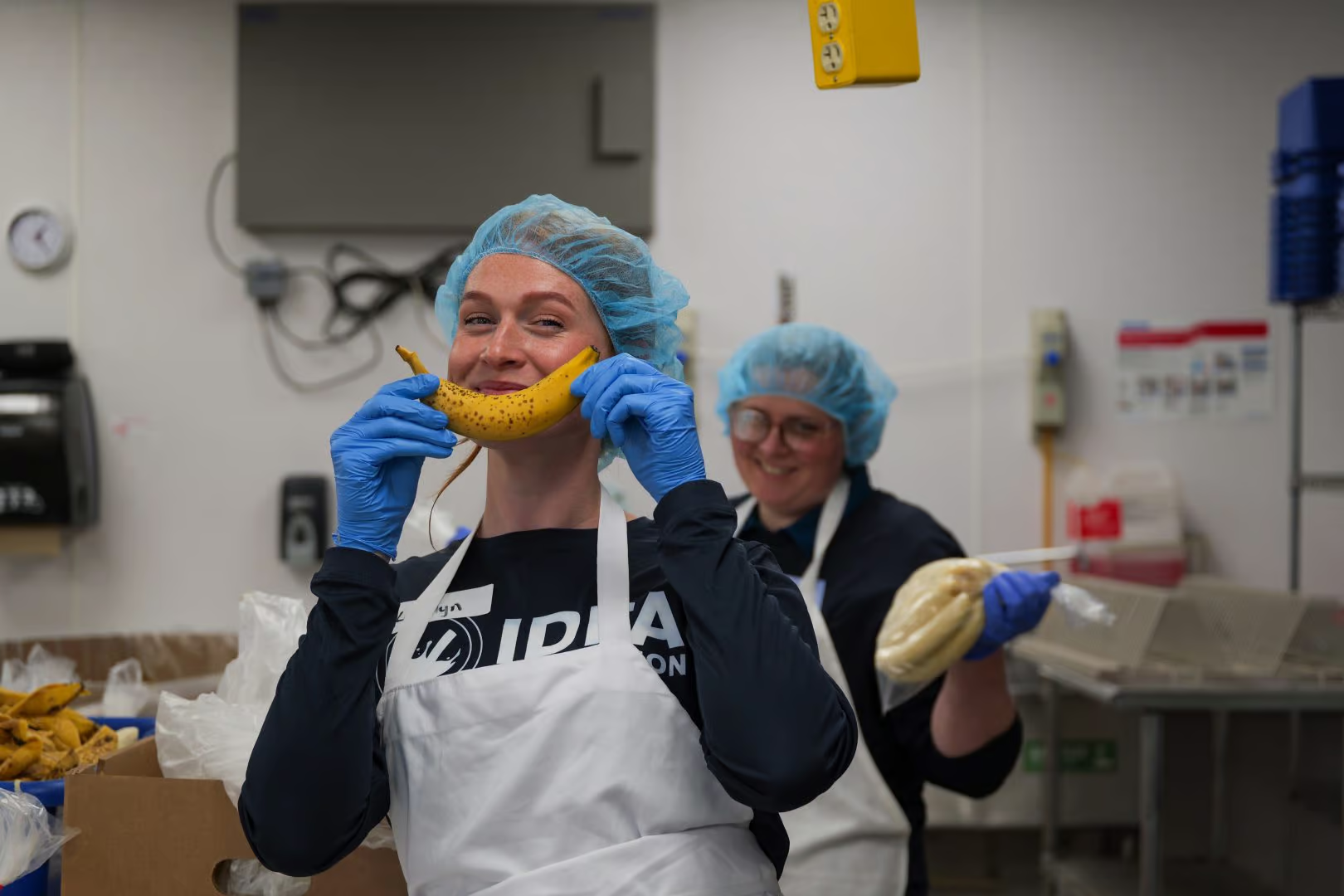
Food rescue also reduces waste. In 2024 alone, an estimated 652,000 tons of previously edible food was thrown away instead of eaten in Wisconsin. When food is recovered instead of discarded, it helps reduce methane emissions and supports statewide sustainability efforts. Check out Wisconsin DNR’s sustainable management of food to learn more.
“Food waste takes up an estimated 20% of the waste going to Wisconsin’s landfills. By rescuing food, we’re feeding people, not landfills, supporting local communities, and saving all the resources that went into producing that food from going to waste.”
— Kate Strom Hiorns, Wisconsin DNR’s Waste and Materials Management Program Director
Retail Partnership
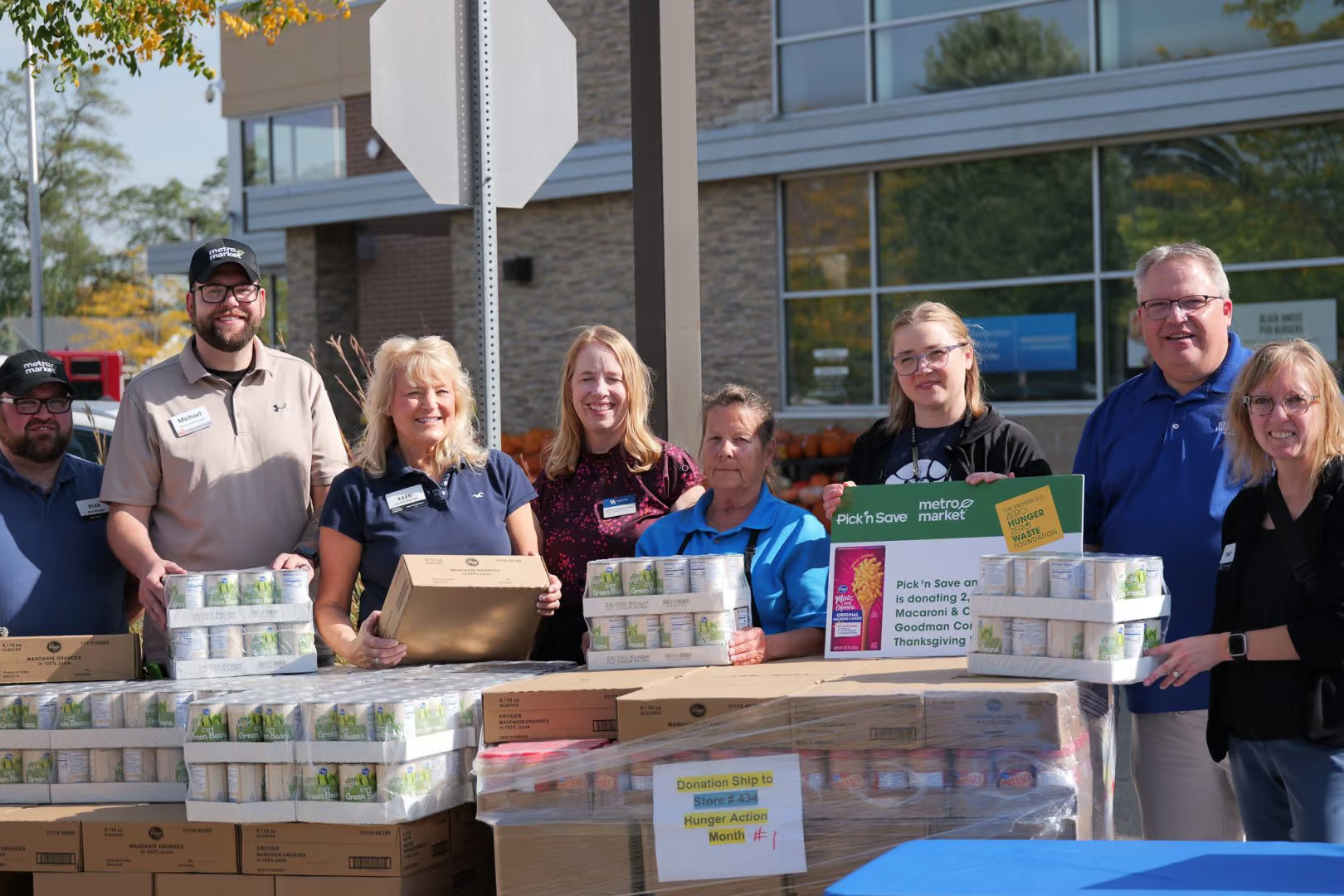
Grocery and convenience stores regularly remove safe food from shelves due to dates, overstock or minor imperfections. Wisconsin Food Rescue ensures that this edible food is quickly redirected to families — turning surplus into meals. Retailers like Kwik Trip, Costco, Walmart, Pick ‘n Save, and Metro Market are integral to the success of Wisconsin Food Rescue and connecting fresh food to hundreds of food pantries.
Food rescue is a powerful solution to a complex problem.
“Second Harvest is committed to ensuring every person in our community has dependable access to healthy food.” — Michelle Orge, President and Executive Director of Second Harvest Foodbank of Southern Wisconsin.
HOW TO HELP
By combining strong partnerships, strict food-safety standards, and efficient logistics, Second Harvest Foodbank transforms excess food into immediate community impact.

GIVE TODAY
Support Wisconsin Food Rescue with a financial gift to help move fresh food safely and quickly across southwestern Wisconsin.
DONATE FOOD
Become a food donor and turn surplus product into meals for local families.
LEARN MORE
Explore other ways to support Wisconsin Food Rescue through corporate giving and community partnerships.
FAQ
There are several common reasons why a food manufacturer or retailer may choose not to sell product to customers and most have little to do with the safety or quality of the food itself. The most common reasons include minor cosmetic imperfections, food nearing a best by, sell by, or expiration date, overproduction of food that has no buyer, and food or packaging that may have been damaged in transit.
Through partnerships with donors, retailers, and manufacturers across Wisconsin, Second Harvest Foodbank directs rescued food to families and neighbors in southwestern Wisconsin while contributing to a stronger statewide food system.
In most cases, yes, it is safe. Best by dates refer to sellable quality not safety and are determined by food manufacturers differently. You can learn more about food dates by visiting the USDA Food Safety and Inspection Service.
Donating food can help a business reduce disposal costs, increase community visibility, and create opportunities for growing employee engagement. Second Harvest accepts over runs or seasonal/holiday products, which helps solve disposal and inventory management challenges for donors.
The Bill Emerson Good Samaritan Food Donation Act establishes Federal protection from civil and criminal liability for persons involved in the donation and distribution of food and grocery products in our community when certain criteria are met.
Connect With Us!
Still have questions about this initiative or how you can get involved? Contact Ian Steele!

Ian Steele
Director of Supply Chain